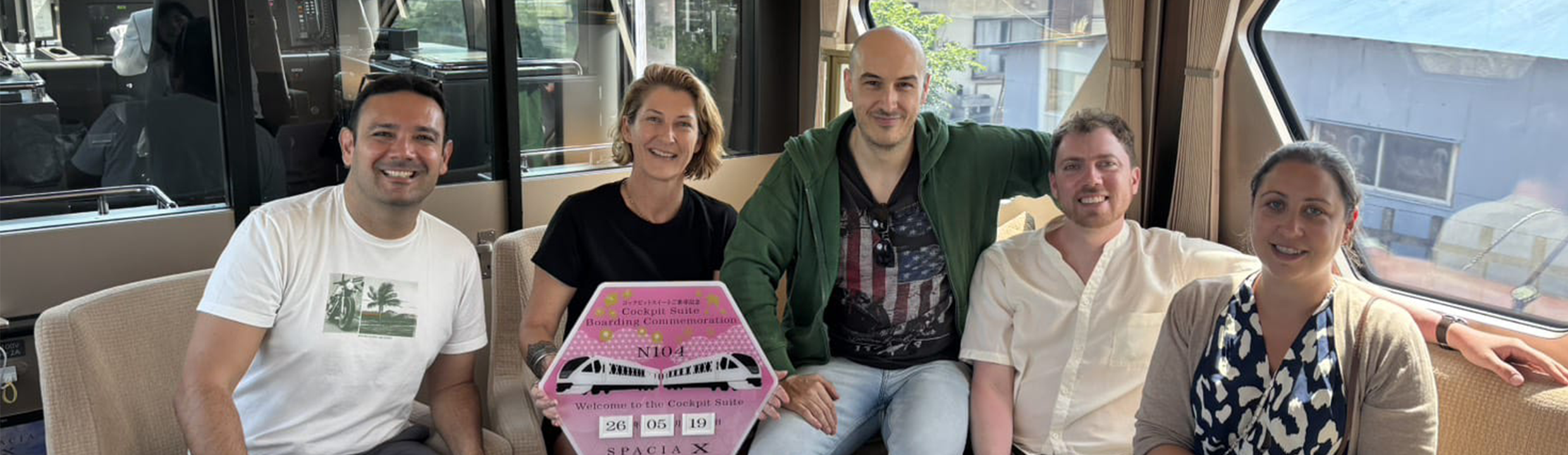
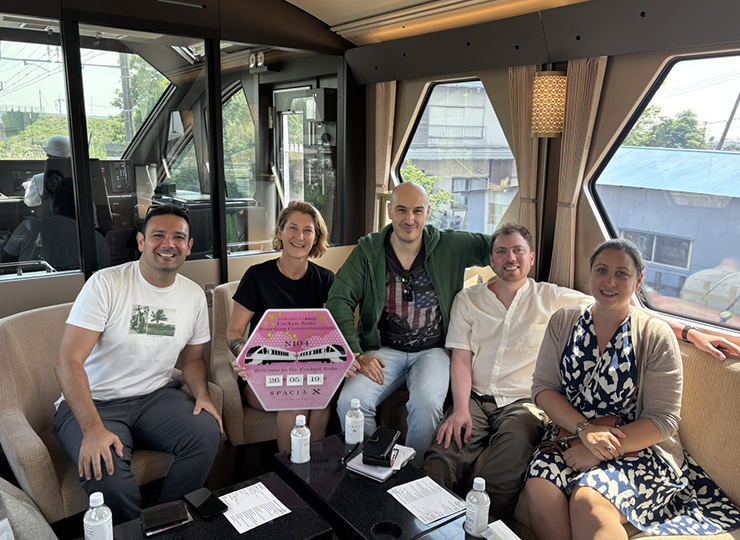
Why Japan’s most profitable itineraries start outside the golden route

Written by Mahala Summers
Global Head of Marketing
There is a Japan most travellers already know. Tokyo, Kyoto, and Osaka connected by bullet train, temples at sunrise, neon districts at night, and highly curated food experiences. It’s iconic, efficient, and endlessly popular. But for experienced travel advisors, particularly those working with corporate, incentive, and luxury clients, it’s only the starting point of the conversation.
The real opportunity sits beyond this familiar circuit. Japan becomes significantly more valuable, commercially and experientially, when it’s designed as a multi-region journey rather than a standard city loop. This is especially relevant for corporate clients and meetings and events programs, where differentiation, privacy, and experience-led design are central to decision-making and spend.
Advisors who can confidently move clients beyond the obvious aren’t just selling travel, they’re shaping outcomes for businesses, teams, and leadership groups. In many cases, they’re also increasing itinerary value, strengthening retention, and positioning themselves as strategic partners rather than transactional booking agents.
From iconic cities to experiential regions
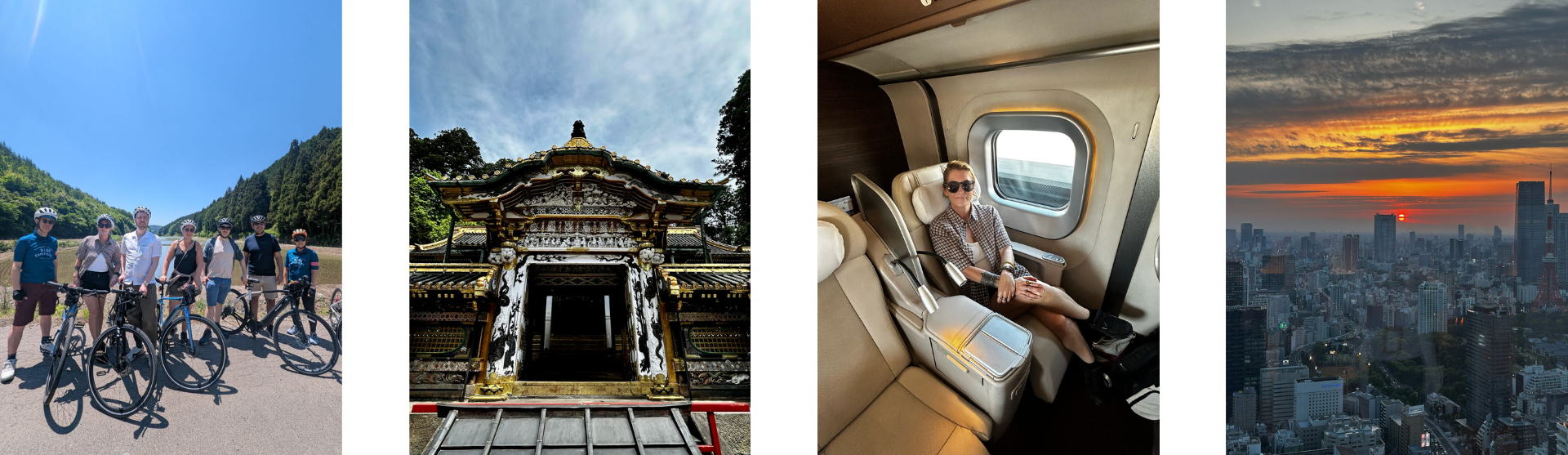
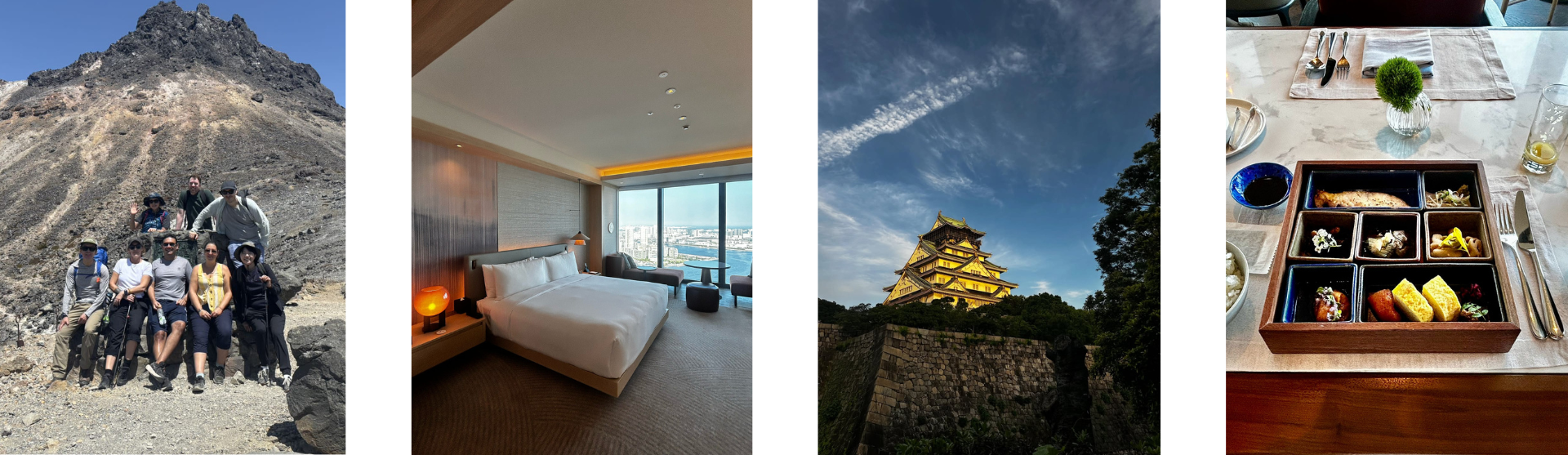
Recently, through a Japan National Tourism Organisation luxury showcase, I experienced first-hand how transformative this approach can be. Just a couple of hours from Tokyo, the landscape changes completely. In the Nasu Highlands, rural Japan reveals itself through cycling routes between farming villages, immersive craft experiences with local artisans, and farm-to-table dining inside private homes. These are not “add-ons” to an itinerary; they’re the reason for the journey. For corporate groups, they translate directly into meaningful off-sites and incentive travel that feels genuinely restorative and distinct.
In Nikko, the focus shifts from landscape to legacy. UNESCO-listed heritage sites, private cultural access, and a luxury stay overlooking Lake Chuzenji demonstrate how Japan can deliver exclusivity in every region. Even the return to Tokyo, via premium rail and sustainable luxury accommodation, reinforces how seamlessly Japan can integrate business travel, cultural immersion, and high-end leisure when designed properly.
What becomes clear is that Japan’s value is not concentrated in its major cities. It’s distributed across regions that reward slower travel, deeper engagement, and more thoughtful itinerary design.
High-value regional Japan
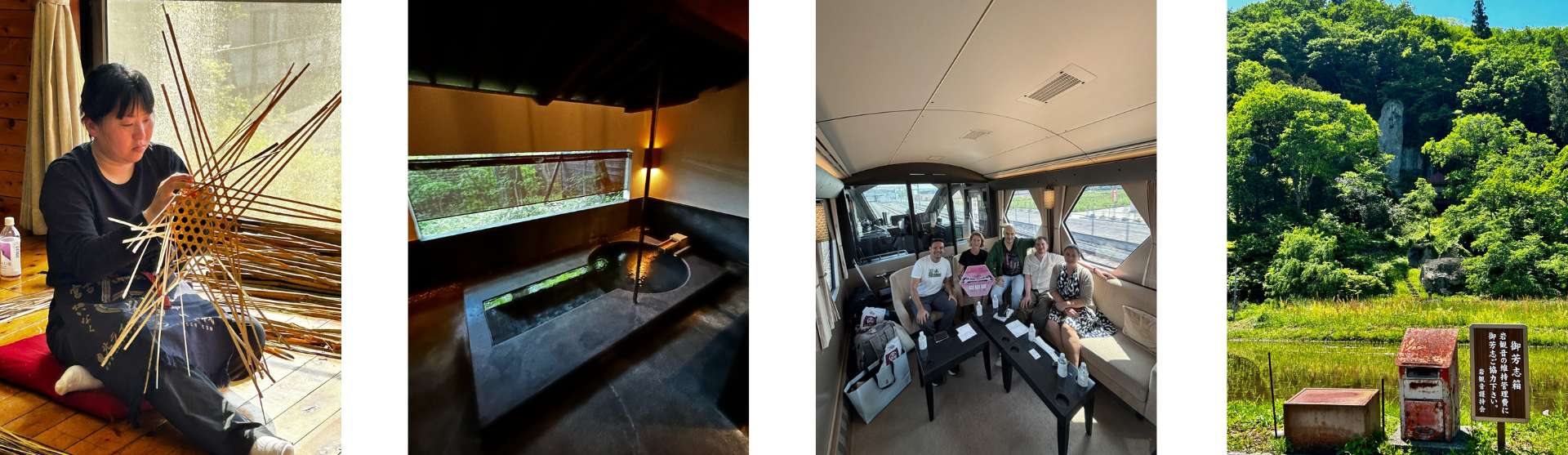
Beyond this single journey, Japan offers a portfolio of underutilised regions that are highly relevant to advisors building corporate and luxury itineraries:
- Eastern Hokkaido – Remote winter incentives, wildlife encounters, drift ice, and dramatic natural landscapes
- Yamagata & Niigata – Onsen towns, alpine scenery, sake culture, and heritage ryokan stays near Tokyo
- Mt Fuji & Fuji Five Lakes – Private luxury stays, helicopter access, and iconic views away from crowds
- Matsumoto & Japanese Alps – Castle heritage, Kamikochi valley trekking, and craft-led alpine experiences
- Ise-Shima – Grand Shrines of Ise, Ama diver culture, and luxury coastal resorts such as Amanemu
- Kii Peninsula – Kumano Kodo pilgrimage routes, UNESCO walking itineraries, and wellness-led journeys
- Setouchi Inland Sea – Art islands like Naoshima, private yacht travel, and slow coastal exploration
- San’in Region – Tottori sand dunes, Izumo Taisha shrine, and one of Japan’s least explored cultural coastlines
Each of these regions functions as a standalone luxury product. When combined strategically, they create itineraries that are more interesting and materially more valuable.
For advisors, this is where differentiation becomes commercial advantage. Clients are no longer satisfied with simply “going to Japan.” They’re looking for experiences that feel curated, exclusive, and difficult to replicate. The ability to design itineraries that move beyond the obvious directly impacts conversion, average booking value, and long-term client retention, particularly in the corporate and incentive space, where expectations are significantly higher.
Why access, not availability, defines success in Japan
At 1000 Mile Travel Group, we invest heavily in supplier relationships and on-the-ground partnerships in Japan to ensure advisors have direct access to the right partners and experience providers. These are relationships built to unlock access, not just availability, enabling advisors to confidently sell beyond the standard routes and deliver itineraries that stand out in a highly competitive market.
This matters most in corporate and MICE environments, where the difference between a good itinerary and a great one is often determined by the quality of in-market relationships, not the inventory that appears online.
Japan as a framework, not a destination
Japan is no longer a destination defined by its highlights. It’s a framework for high-value itinerary design that rewards depth, creativity, and supplier knowledge.
For advisors willing to move beyond the golden route, it represents one of the strongest growth opportunities in luxury, corporate, and incentive travel today, and a clear way to elevate both client outcomes and their own business performance.
Are you looking to expand into higher-value Japan itineraries or want to design a corporate trip to Japan?
Speak with the 1000MTG team to explore opportunities and access suppliers across Japan.